

Kord Fire Protection Shares Fire Alarm Inspection and Testing Guidance for Los Angeles Businesses
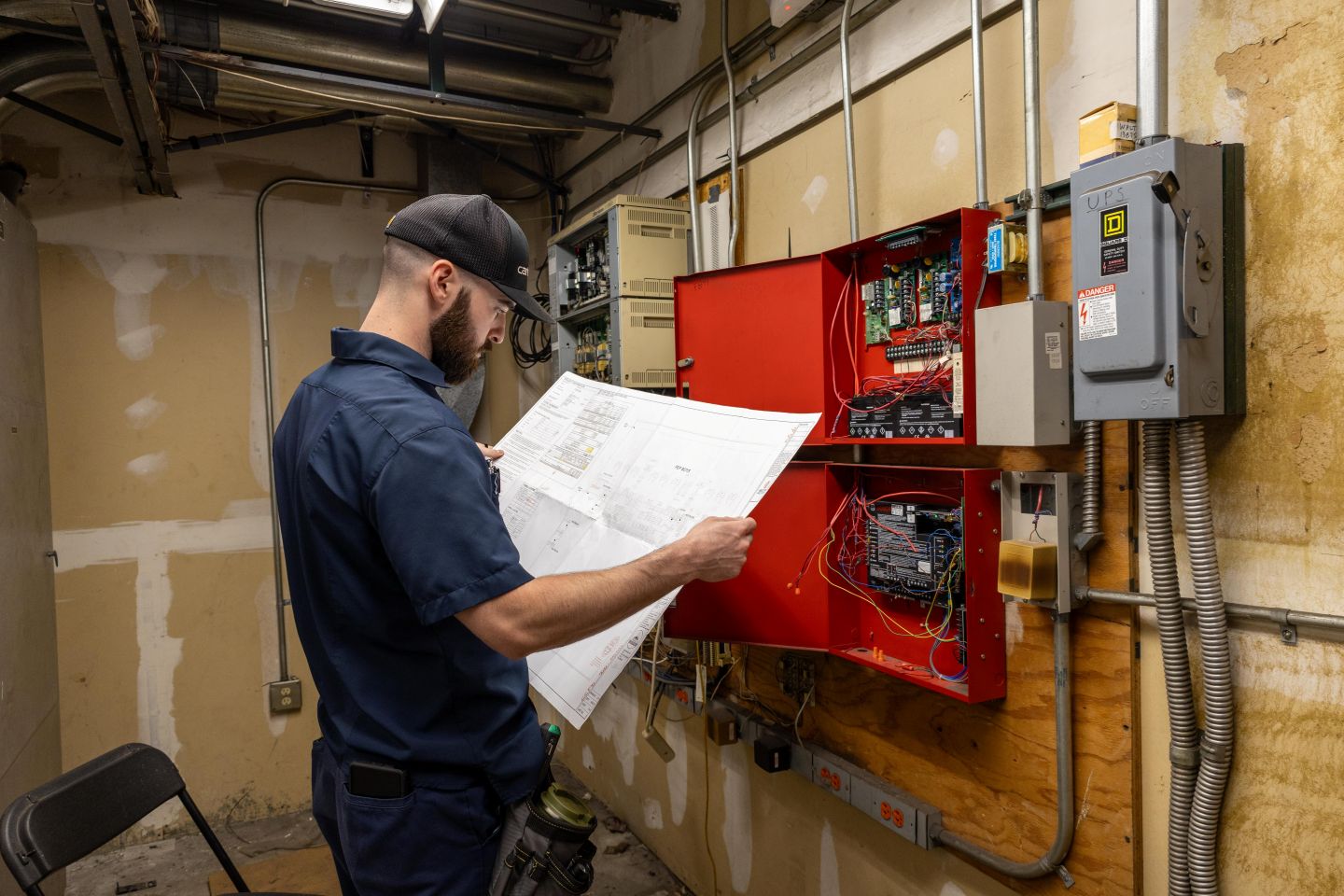
Fire Alarm Inspection
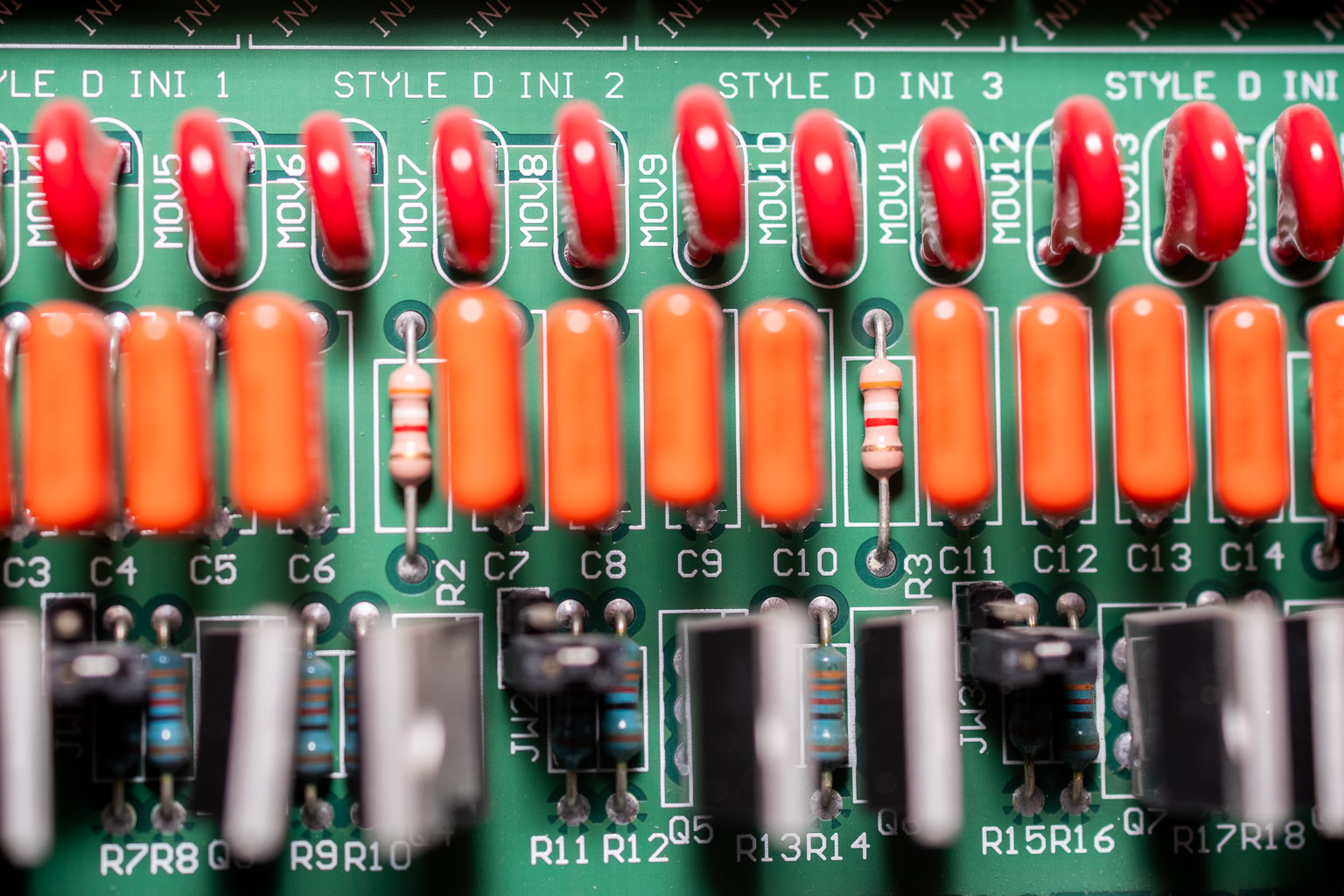
Fire alarm motherboard testing
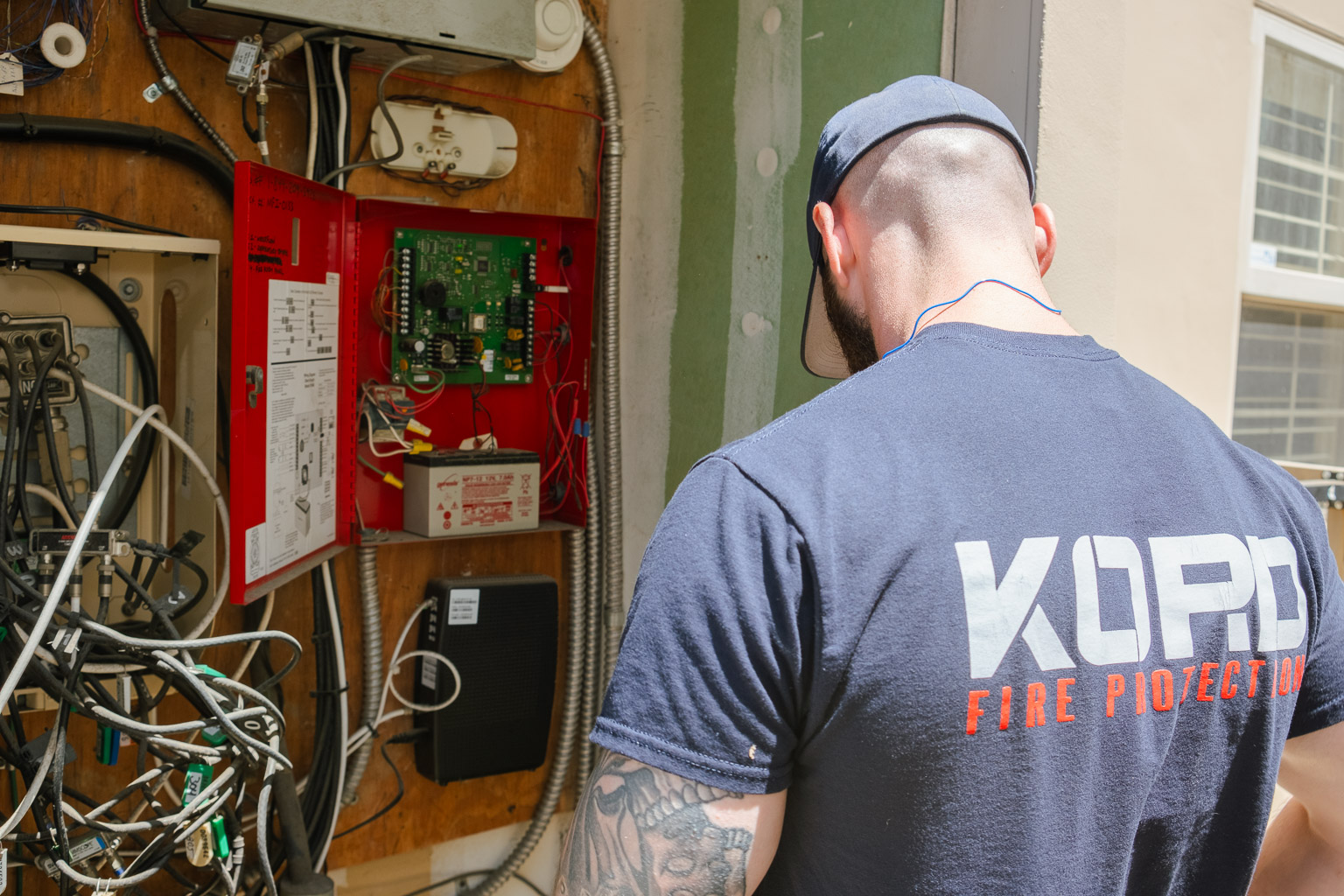
A fire alarm inspection taking place
Kord Fire Protection Shares Fire Alarm Inspection and Testing Guidance for Los Angeles Businesses
Fire alarm testing is not just about making noise in a building”
LOS ANGELES, CA, UNITED STATES, June 1, 2026 /EINPresswire.com/ -- Kord Fire Protection is sharing guidance for Los Angeles property owners, facility managers, and business operators on the importance of routine fire alarm inspection and testing. Fire alarm systems are one of the first lines of defense in a building emergency, helping detect fire conditions, alert occupants, notify monitoring centers, and support faster emergency response.— Darius
In a city with high rise buildings, restaurants, apartment communities, commercial offices, warehouses, schools, medical facilities, and industrial properties, fire alarm system readiness is a major part of life safety planning. A fire alarm system that is not properly inspected, tested, or maintained may fail to detect a hazard, delay occupant notification, or create documentation issues during a fire department review.
Los Angeles also has local fire protection testing requirements that make documentation and certified testing especially important. The Los Angeles Fire Department provides guidance for testing fire protection equipment under Chief’s Regulation No. 4, commonly known as Regulation 4. The program includes certified testing of fire and life safety protection systems in the City of Los Angeles, including Basic Fire Alarm Systems, Complex Fire Alarm and Supervising Station Alarm Systems, and Supervising Station Alarm testing categories.
Fire alarm inspection and testing is also tied to several recognized fire protection standards. NFPA 72 addresses fire detection, signaling, and emergency communications systems, while NFPA 25 provides guidance for the inspection, testing, and maintenance of water based fire protection systems that often connect to alarm panels through waterflow and supervisory signals. For restaurants and commercial kitchens, NFPA 96 addresses fire protection and ventilation control for cooking operations, making alarm integration, suppression monitoring, and system coordination especially important.
“Fire alarm testing is not just about making noise in a building. It is about confirming that the system can detect the right conditions, activate the right signals, and communicate properly when people are depending on it,” said Darius Kordabadi, CEO of Kord Fire Protection. “In Los Angeles, where many facilities are subject to local testing and documentation requirements, property teams need to take fire alarm inspection seriously.”
Kord Fire Protection encourages building owners and facility teams to review key parts of their fire alarm system, including smoke detectors, heat detectors, duct detectors, pull stations, horn strobes, control panels, annunciators, batteries, monitoring communication, waterflow signals, tamper switches, and supervisory devices. The company also recommends checking that inspection records, deficiency reports, service history, and corrective actions are properly documented.
Because many fire alarm issues involve both life safety systems and electrical infrastructure, Kord Fire Protection works alongside its sister company, Kord Electric, when alarm panel support, electrical troubleshooting, power supply issues, wiring conditions, or related electrical work need to be evaluated. This coordination helps property teams address problems that may involve the fire alarm control panel, backup power, circuits, devices, or building electrical conditions.
Routine testing can help identify issues such as failed notification appliances, dirty smoke detectors, communication trouble signals, weak backup batteries, disabled devices, outdated panels, missing records, or system changes that were never properly verified. These issues may seem minor during normal building operations, but they can create serious concerns during an emergency.
Kord Fire Protection also notes that fire alarm systems should be reviewed whenever a building is renovated, tenant improvements are completed, equipment is added, or the use of a space changes. System layout, device coverage, alarm communication, and monitoring requirements can all be affected by changes inside the property.
Darius Kordabadi
Kord Fire Protection
+1 800-918-8978
info@kordfire.com
Legal Disclaimer:
EIN Presswire provides this news content "as is" without warranty of any kind. We do not accept any responsibility or liability for the accuracy, content, images, videos, licenses, completeness, legality, or reliability of the information contained in this article. If you have any complaints or copyright issues related to this article, kindly contact the author above.
